Monthly Archives: June 2026

  1. How to Refresh a Hospitality Space Without a Full Renovation

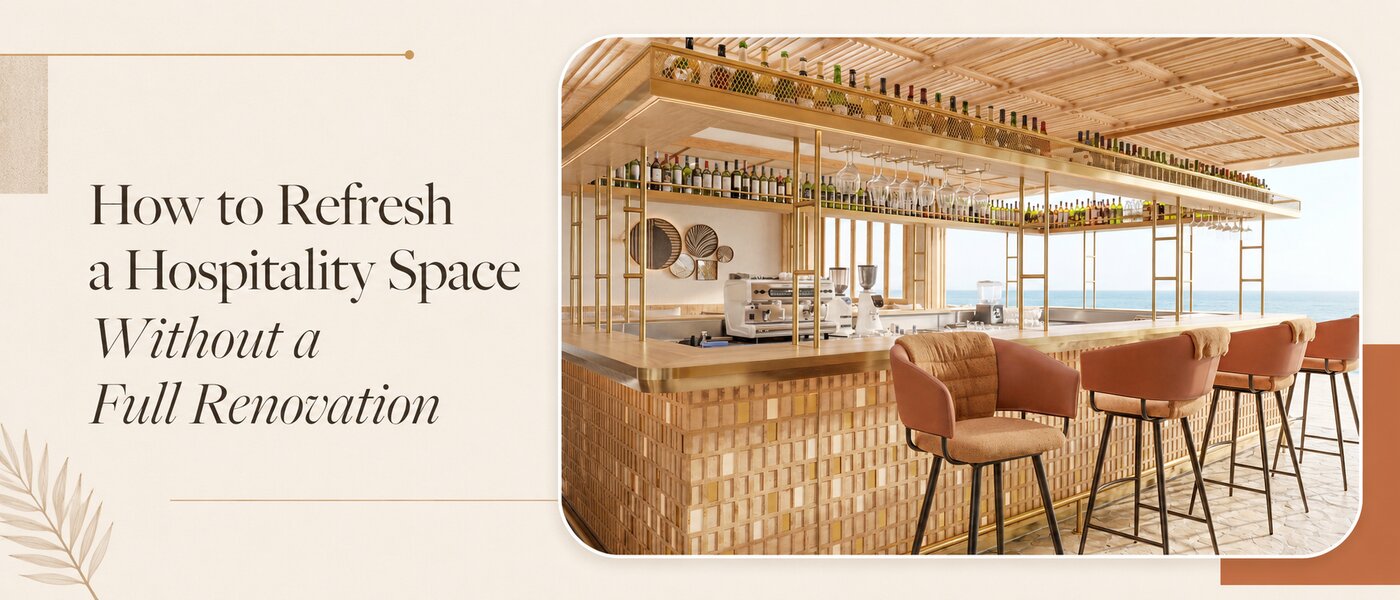
    How to Refresh a Hospitality Space Without a Full Renovation

    A hospitality space does not always need a full renovation to feel new again. In many cases, the fastest way to change how guests experience a hotel, restaurant, bar, lounge, or multifamily amenity area is through focused furniture, lighting, and décor updates.


    Renovations are expensive, disruptive, and time-consuming. They can involve construction schedules, closures, permits, budget approvals, and weeks of operational stress. A refresh is more focused. It updates the areas guests notice first: the chair they sit in, the barstool they use, the outdoor lounge where they take photos, the table next to their drink, the lighting over the host stand, or the mirror near the elevator.


    For hospitality buyers, interior designers, restaurant owners, property managers, and multifamily developers, smart product swaps can make
    Read more »
  2. Domestic COM Made Easy: Custom Materials Without the Usual Headache

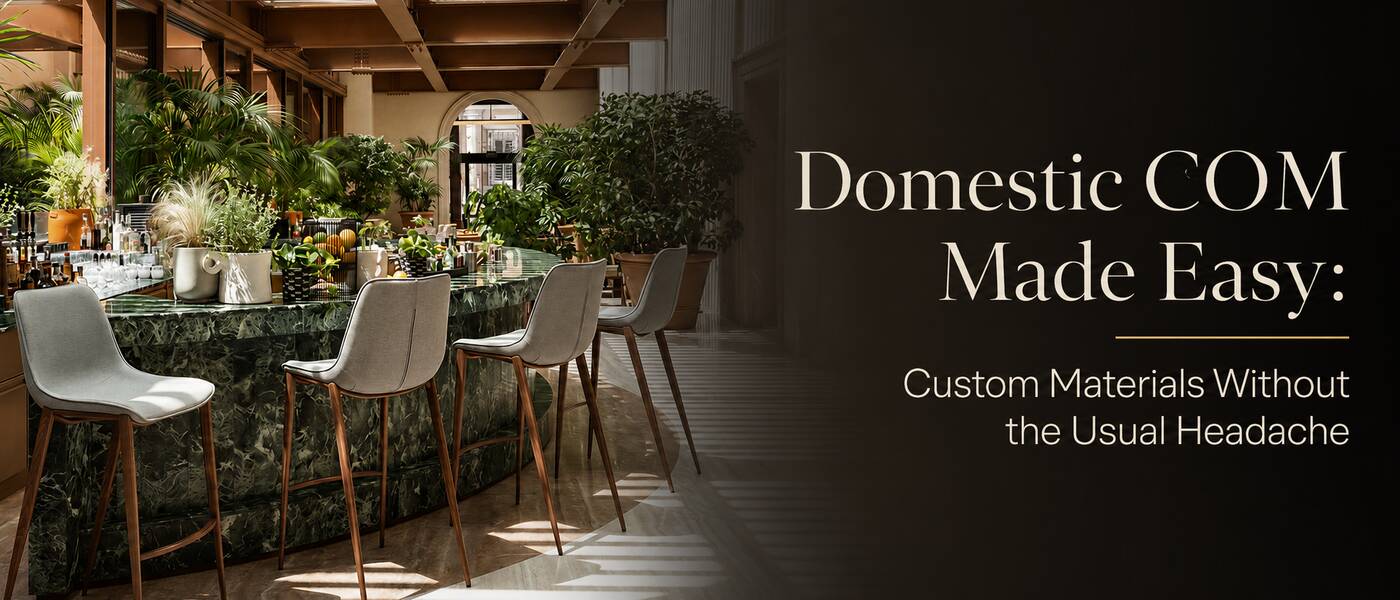
    Domestic COM Made Easy: Custom Materials Without the Usual Headache

    In the furniture industry, the perfect piece is not always perfect right out of the box.


    A designer may love the shape of a chair but need it in a specific performance fabric. A hotel may want a lounge piece that matches its brand palette. A restaurant may need outdoor seating in a material that works better for heavy traffic. A furniture store may have a customer who loves one ZUO design but wants the textile from another item. A specifier may need several pieces to coordinate across a lobby, lounge, patio, and dining area.


    That is exactly why ZUO’s domestic COM program exists.


    COM stands for “customer’s own material,” but at ZUO, it means more than simply sending in a fabric. It means giving customers more control, more flexibility, and a much

    Read more »
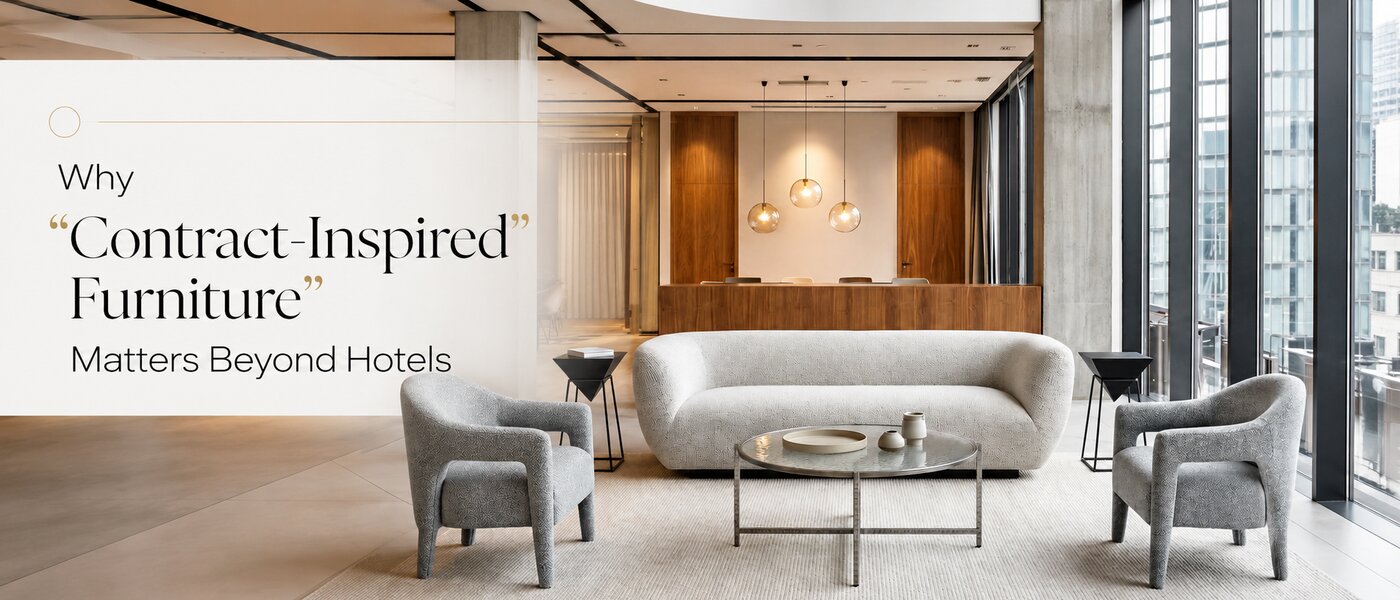
  3. Why “Contract-Inspired” Furniture Matters Beyond Hotels

    Why “Contract-Inspired” Furniture Matters Beyond Hotels

    For a long time, “contract furniture” was mostly associated with hotels, resorts, restaurants, and large commercial projects. It suggested furniture built for heavy use, frequent cleaning, and demanding environments. Today, that type of thinking matters far beyond traditional hospitality.


    Restaurants need furniture that supports long visits and fast turnover. Offices are becoming more lounge-like. Salons need pieces that feel stylish but can handle daily appointments. Clubhouses are used for events, meetings, and social gatherings. Student housing and senior living communities need comfort, durability, and easy maintenance. Short-term rentals need furniture that photographs well and survives constant guest turnover. Even busy homes often need pieces that perform more like commercial furniture.


    That is why “contract-inspired” furnitu

    Read more »
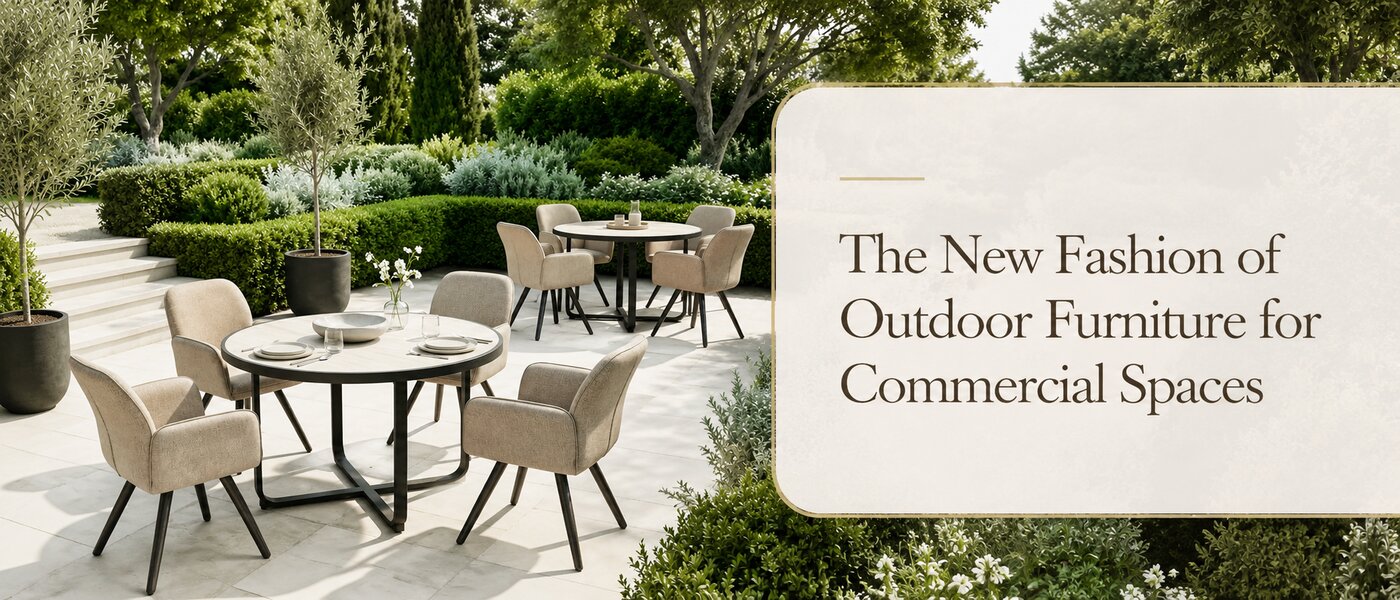
  4. The New Fashion of Outdoor Furniture for Commercial Spaces

    The New Fashion of Outdoor Furniture for Commercial Spaces

    Outdoor spaces are no longer secondary areas of a commercial property. They are revenue centers, brand moments, guest experiences, leasing tools, and social hubs. A restaurant patio can make a meal more memorable. A hotel pool deck can become one of the most photographed areas of the property. A multifamily courtyard can help sell the lifestyle of a building before a prospect ever sees the model unit.


    That shift has changed what designers, buyers, developers, property managers, and hospitality teams expect from outdoor furniture. The new fashion of outdoor furniture for commercial spaces is not just about weather resistance. It is about creating exterior environments that feel as designed, intentional, and comfortable as indoor rooms.


    Outdoor Is Now Part of the Main Design Story


    Read more »
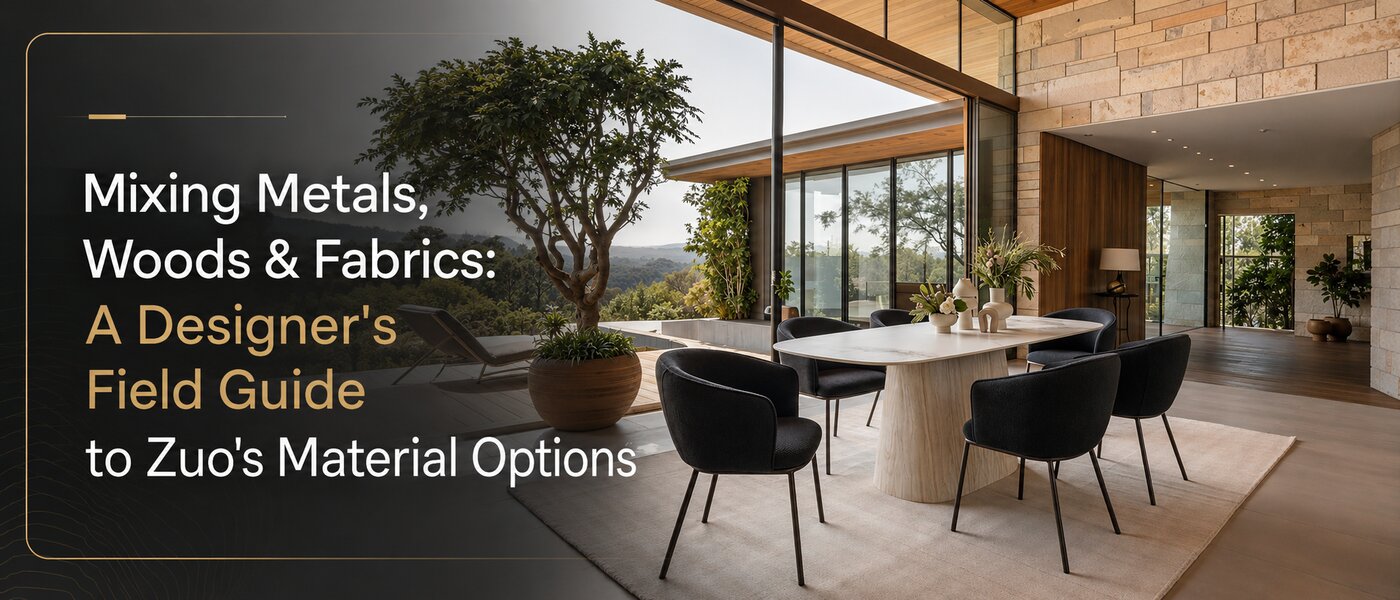
  5. Mixing Metals, Woods & Fabrics: A Designer's Field Guide to Zuo's Material Options

    Mixing Metals, Woods & Fabrics: A Designer's Field Guide to Zuo's Material Options


    Mixing materials is where a room starts to feel intentionally designed instead of simply furnished. For interior designers, retailers, stagers, and hospitality buyers, it is also where a project can quickly lose direction. Too many undertones, too many finishes, or too many competing textures can make a space feel disconnected, even when every individual piece looks great on its own.


    The goal is not to match everything perfectly. In fact, overly matched rooms can feel flat, dated, or overly “set-like.” The stronger approach is to build a material story that feels coordinated, layered, and easy to understand. Whether you are pulling multiple SKUs for a hotel lobby, model home, restaurant dining area, showroom floor, or residential project, the same rules apply: repeat with purpose, contrast with control, and let one material direction lead.


    Read more »